Who actually gets support when they strike out on their own in Slovenia, and who slips through the cracks?
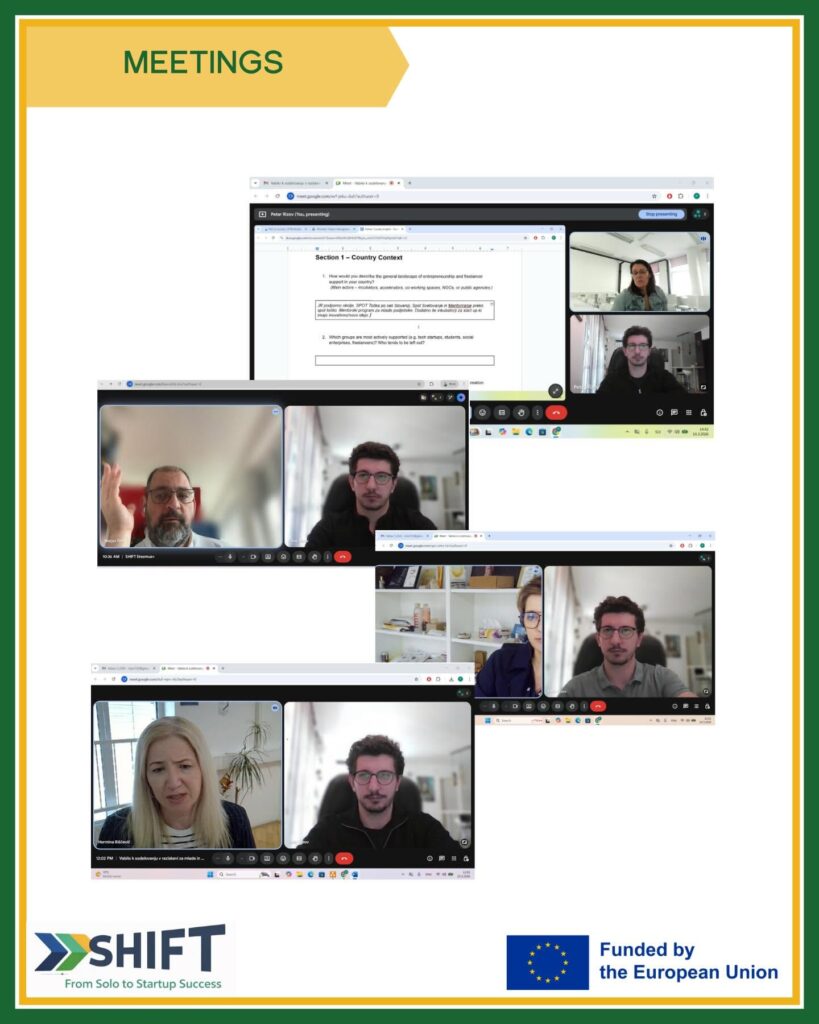
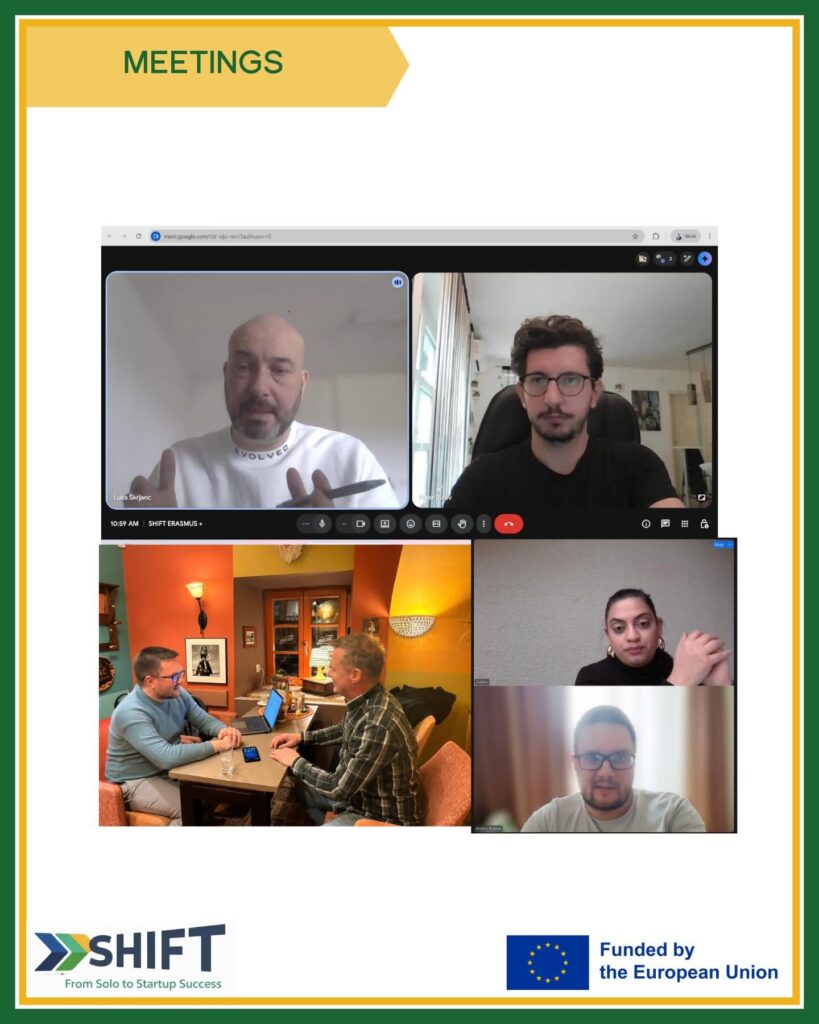
That question sat behind a round of stakeholder conversations EMC ran as part of the Erasmus+ project SHIFT. We spoke with mentors, coaches, trainers, mediators, business support organisations and people running innovation spaces, including RAGOR / SPOT GORENJSKA and Center Rog, alongside experts working on market understanding, product–market fit, sales and youth entrepreneurship.
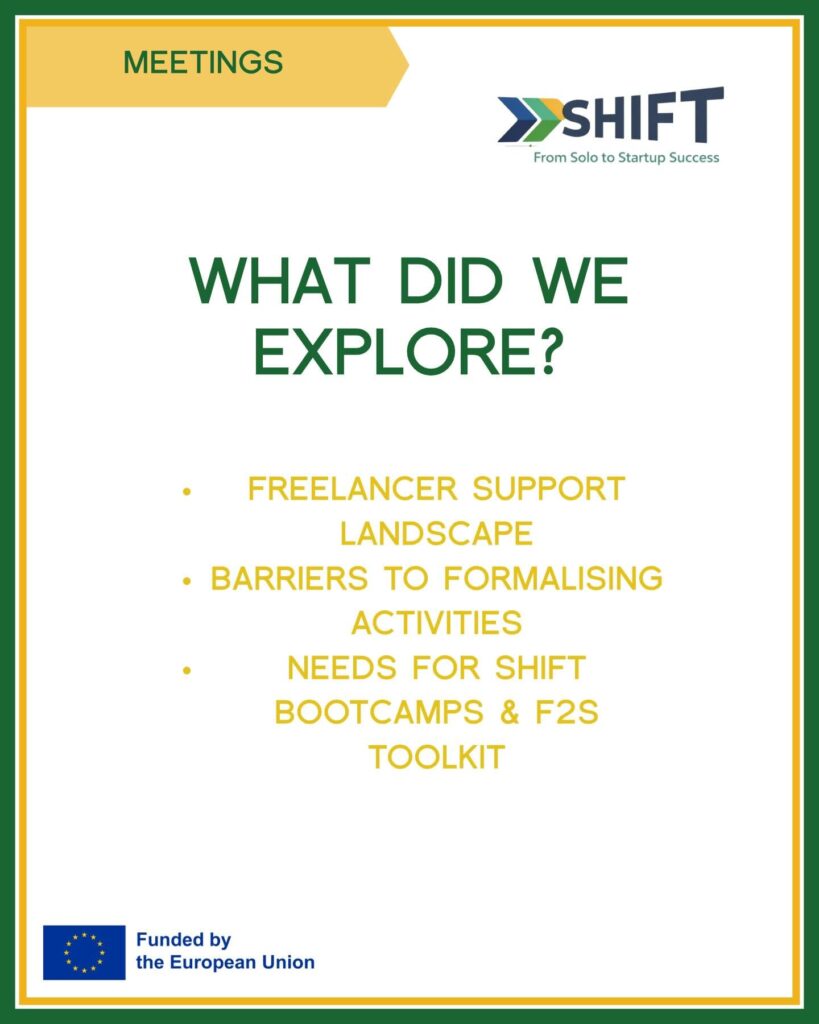
The aim was to map how freelancer and entrepreneurship support really works here, and where it stops working. Which groups are well covered by existing programmes? Which ones keep falling outside them? We also asked about recent policies, shifting trends and the structures that shape how a young freelancer decides whether to formalise what they’re doing, or push it towards a startup model. Barriers came up a lot: what makes that step feel risky, expensive or simply unclear.
All of it goes somewhere concrete.
The insights feed into the F2S (Freelancer-to-Startup) Toolkit and the SHIFT Bootcamps, both designed around what young freelancers actually run into when they develop an idea, validate a market and build a business model that holds up over time.